
The Collage Table: Kitchen Proverbs
Images & inspirations for your creative kitchen practice.

Proverbs are an architecture of Black oral history and cultural memory-keeping
Short, quippy phrases - sometimes clever, often downright annoying. If you’re young and learning (which we always are), you’re sure to hear one or two following you like a haunting. And yet, over time, proverbs can become comforting in their mysterious wisdom. A bit like a puzzle or a riddle, they arrive in our lives and can slowly reveal their depth and meaning.
Some proverbs accompany us into our sacred kitchens, our tables, and our beloved community spaces. They become an intimate language between us and the people we feed and love. These proverbs become wisdom that sit beside us, as useful as any other kitchen tool.
Now that said, you do know — “too many cooks spoil the broth.” Meaning, you can’t listen to them all at once.
And - “one man’s meat is another man’s poison.” You can’t always take proverbs at face value. Discernment is still essential. We are meant to play and practice with these half-baked lessons.
Because, in truth, I never felt that proverbs were enough guidance. They are not a step-by-step guide though the tone one usually recites them in would beg to differ. It wasn’t until I began experimenting with them — treating a proverb like one ingredient in a grand recipe — that I learned their value.
This week I have been exploring my own kitchen proverbs — ones that come to me as I cook and that teach me a little about how to live well in my everyday life, both in and outside of the kitchen.
One proverb that came to me was:
“Sometimes you have to chew through the bone to get to the marrow.”
So, what does that mean? Because chewing bones was not a practice I had learned at home, but one I used to watch happening out of the corner of my eye when sitting at public school lunch tables on fried chicken Fridays. At the end of these meals some kids’ plates would be completely clear, while mine still sat with bone and tendon.
I later learned the nutritional and comforting value of bone marrow. It is the marrow that that gives you that flavor and that warm, cozy feel good moment you get when you tip your chicken soup bowl to your lips and let the broth slide down. Those long-simmered bones - they release gelatin from collagen, amino acids, and trace minerals, quietly enriching the pot and in turn nourishing our own bones and blood.
From this reflection came a second proverb (sort-of):
“Making things tender, because I refuse to dull my gold teeth.”
Sometimes you have to work through what is tough to reach a nourishing reward. And other times - you have to soften your labor rather than break yourself against it.
When I was a kid, watching young boys chew bones, I used to think, wow, these kids… hungry. And in truth, given the environment, there was probably some validity to that assumption. But hunger isn’t the star of this story - that bodily wisdom they had is.
And from this place of non-judgement comes another proverb.
From the very jovial chef at one of my first corporate food jobs:
“You can’t bark at someone else’s bite.”
A simple phrase, said just once from the mouth of a smiling chef at the back table of his hidden gem spot in Chinatown, now lives as a tenet in the way I teach food justice.
Don’t judge people for what they eat.
Don’t assume that you know better than them about food.
Don’t police people’s way of eating.
Respect cultures. Respect preferences. Understand food choices are inspired by much more than what we may see on the surface (food.is.deeply.political). If we want to make any meaningful change in our food systems, we need to ask good questions. Listen. Collaborate. “A mouth can’t chew and chatter at the same time.”
The movements and languages of our kitchens are rich reflections of our everyday lives and the many ways we intentionally and unintentionally practice being together.
This week, in my play with proverbs, I chose not only to think about them but to cut and shape them in digital collages.
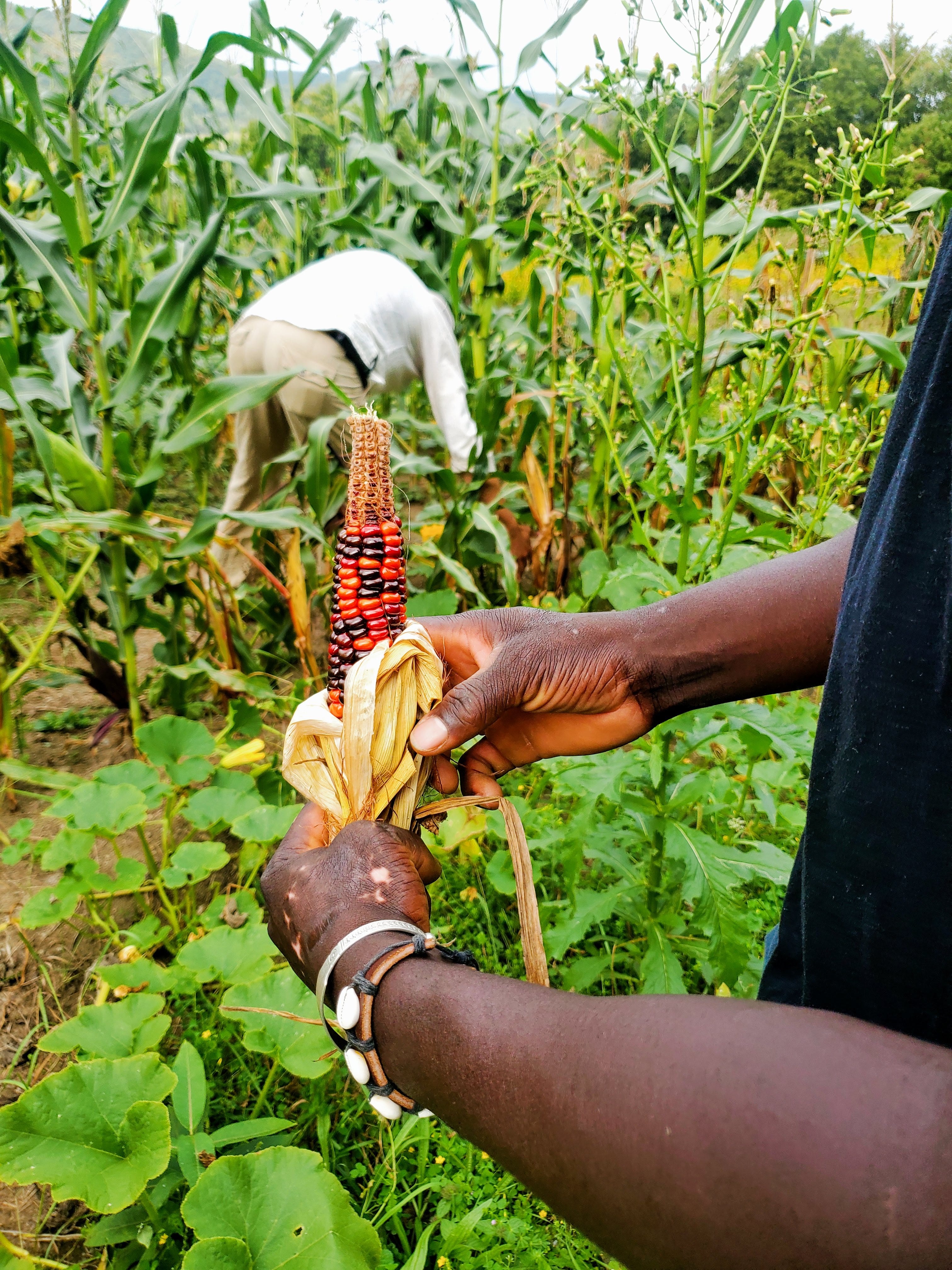
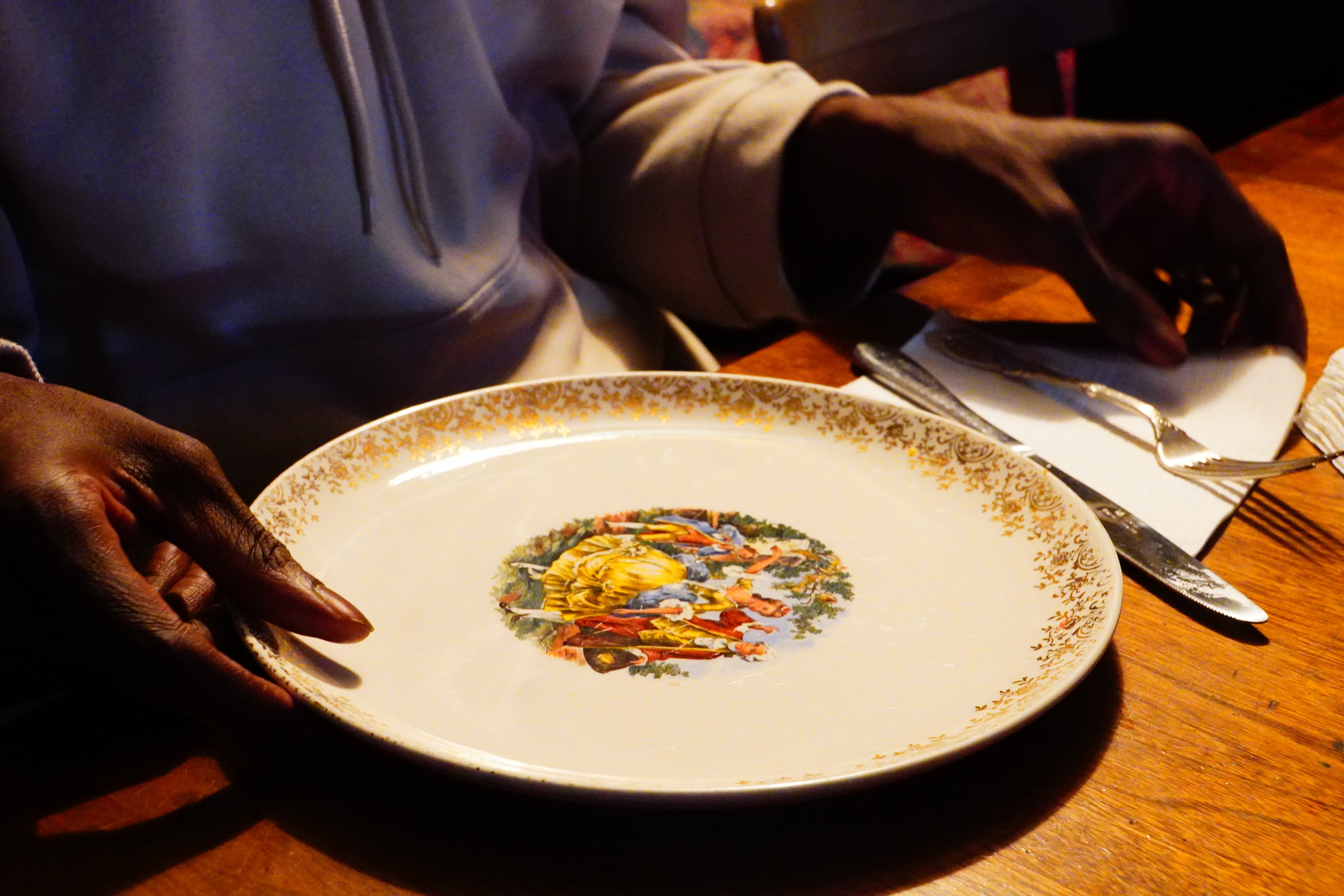
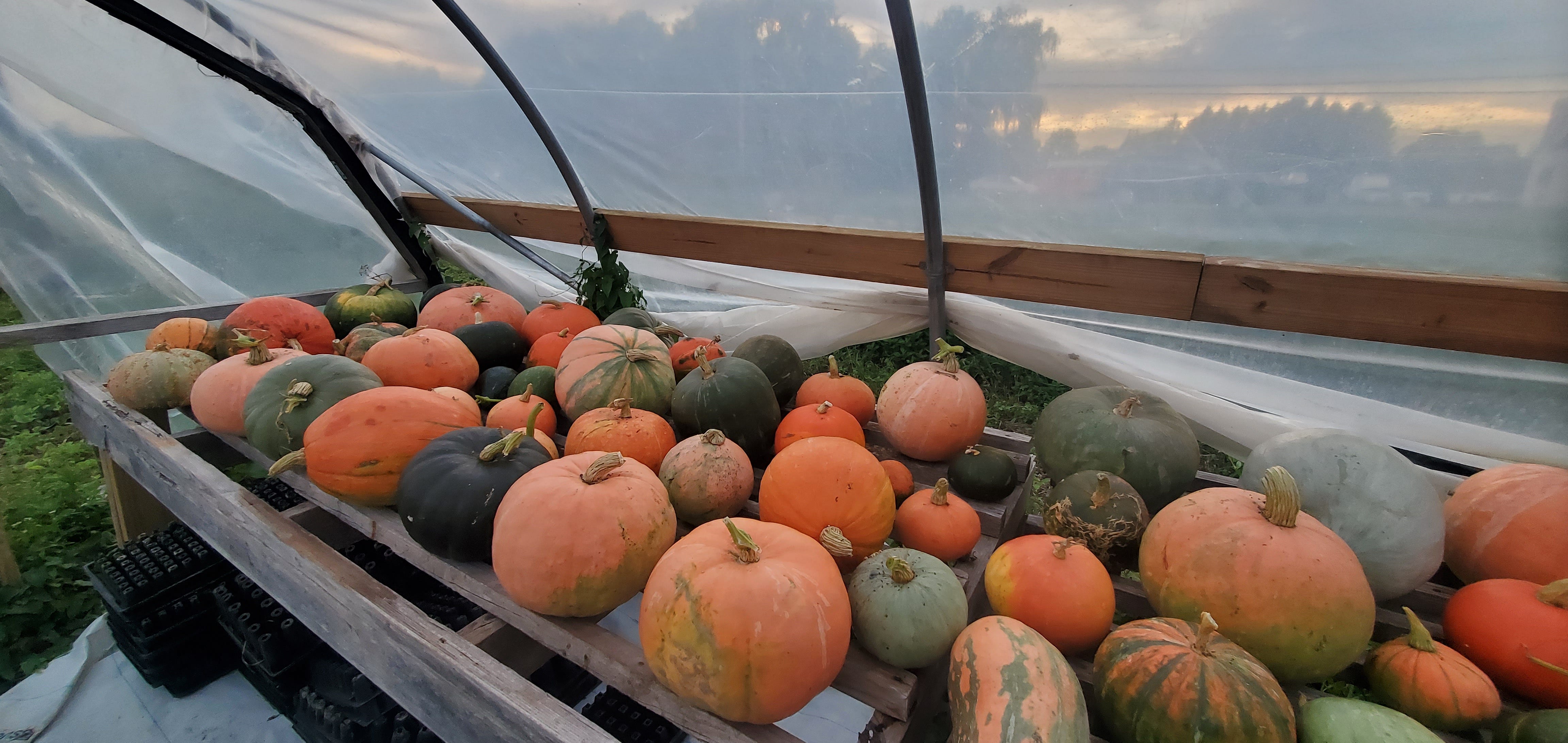
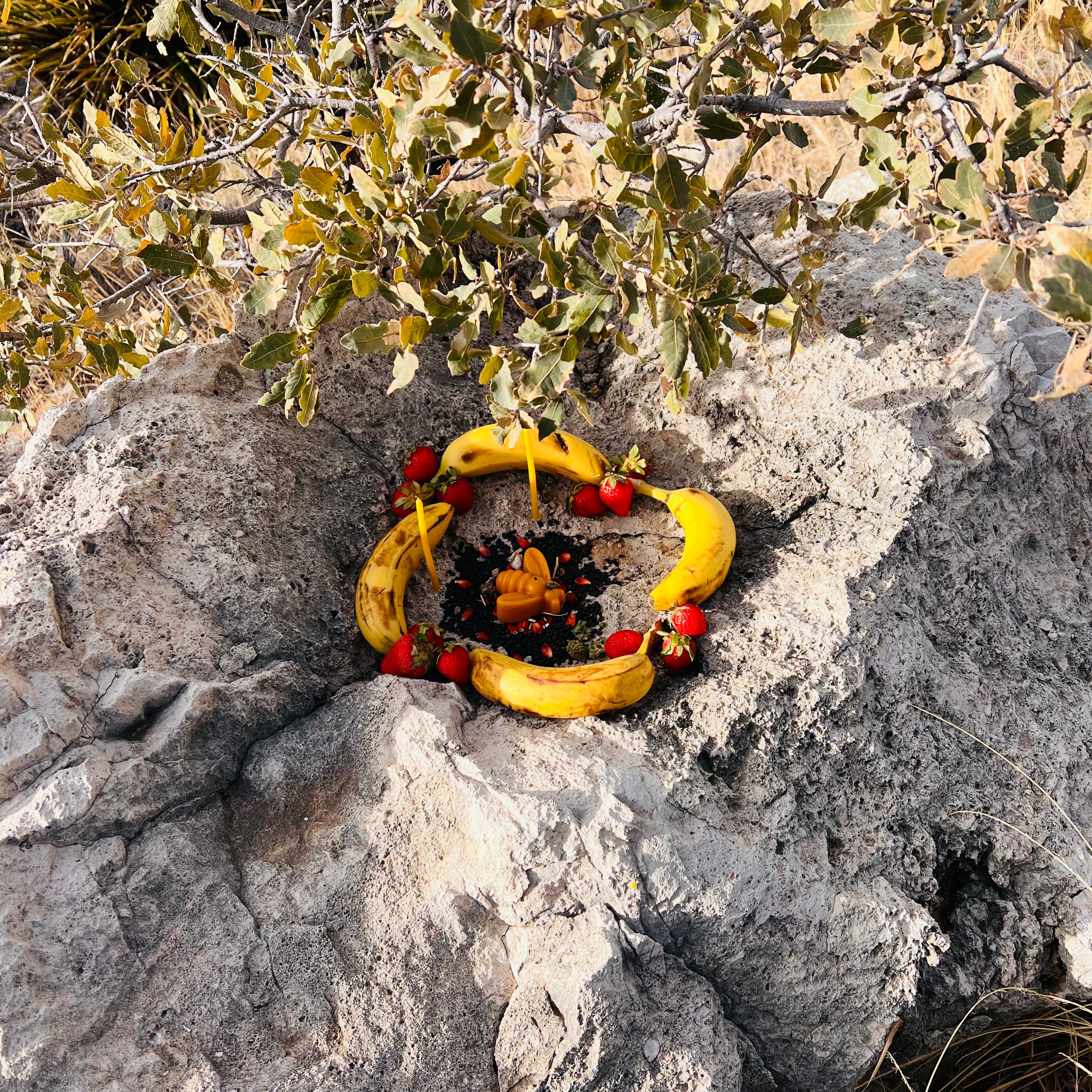
I’m sharing some of my inspiration images here. These are all from my personal photo archive. You’re invited to take a look and you’re also welcome to use them in collages or other artistic works. I’d love to see or hear what you come up with.
A short prompt to get your creative juices flowing:
What proverb has your kitchen or culinary inspirations taught you?
What wisdom have you gathered from cooking or feeding others?


Additional Resources for Creative Inspo:
“Black Foodways and Cuisine.” National Museum of African American History and Culture, 6 Nov. 2023, https://nmaahc.si.edu/explore/stories/black-foodways-and-cuisine
Leslau, Charlotte . “African Proverbs. : Leslau, Charlotte. : Free Download, Borrow, and Streaming : Internet Archive.” Internet Archive, Peter Pauper Press, 1962, archive.org/details/africanproverbs1962lesl/page/46/mode/2up?q=eat. Contributor University of Connecticut Libraries.
Smith, Willam George. “The Oxford Dictionary of English Proverbs : William George Smith : Free Download, Borrow, and Streaming : Internet Archive.” Internet Archive, 1849, archive.org/details/in.ernet.dli.2015.227228/page/n43/mode/2up.